
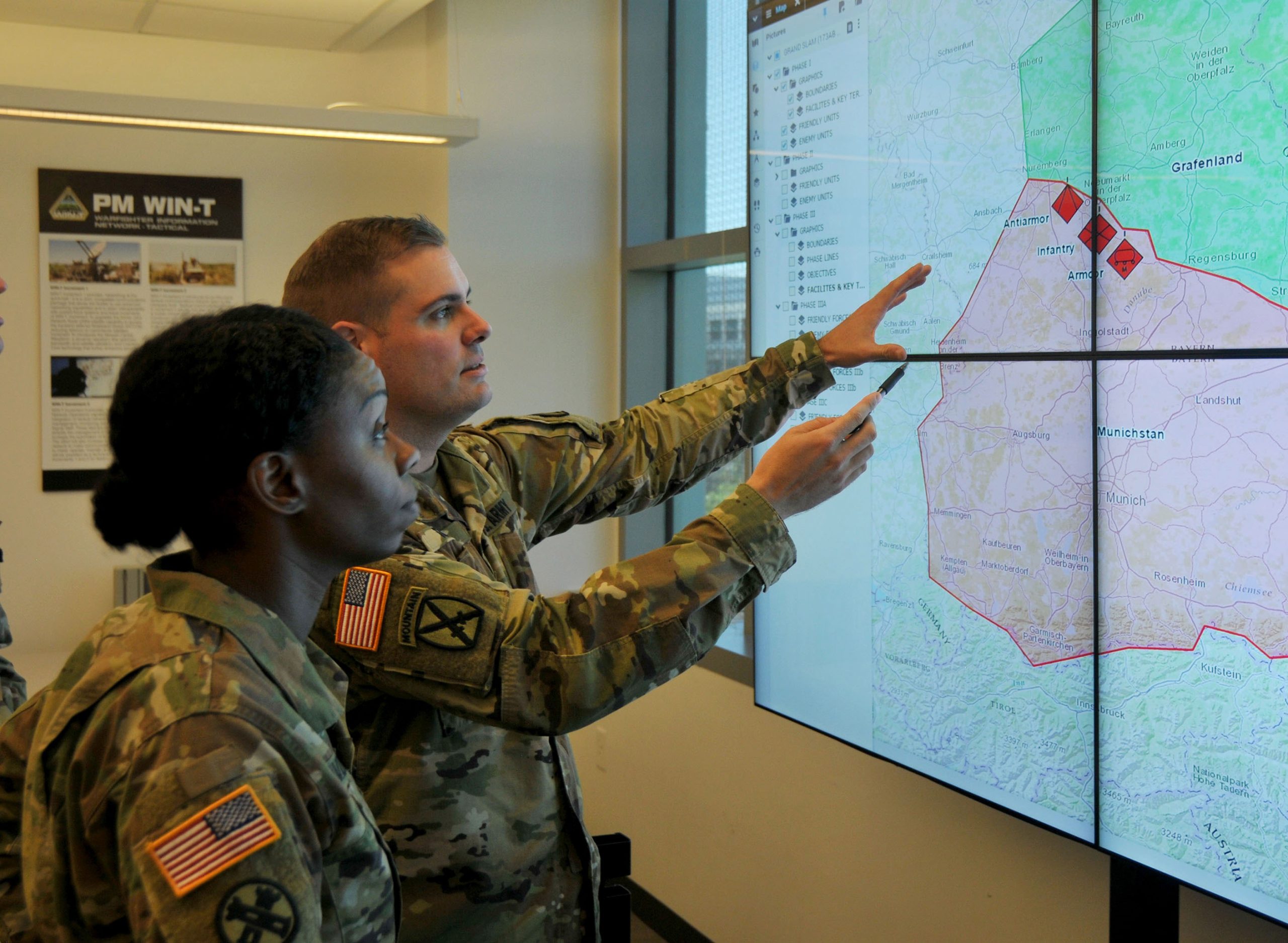
Jakarta, inca.ac.id – When I think about the study of national security and organized defense, Military Strategy stands out as one of the most intellectually demanding and socially significant topics a university can offer. At first glance, it may seem like a subject limited to armed forces or battlefield planning. But in an academic setting, military strategy is much broader than that. It involves the study of defense systems, decision-making, geopolitics, conflict prevention, resource coordination, and the relationship between security policy and society. To me, understanding military strategy at university means exploring how nations prepare for threats, protect their interests, and think critically about the use of force in a complex world.
Why Military Strategy Matters
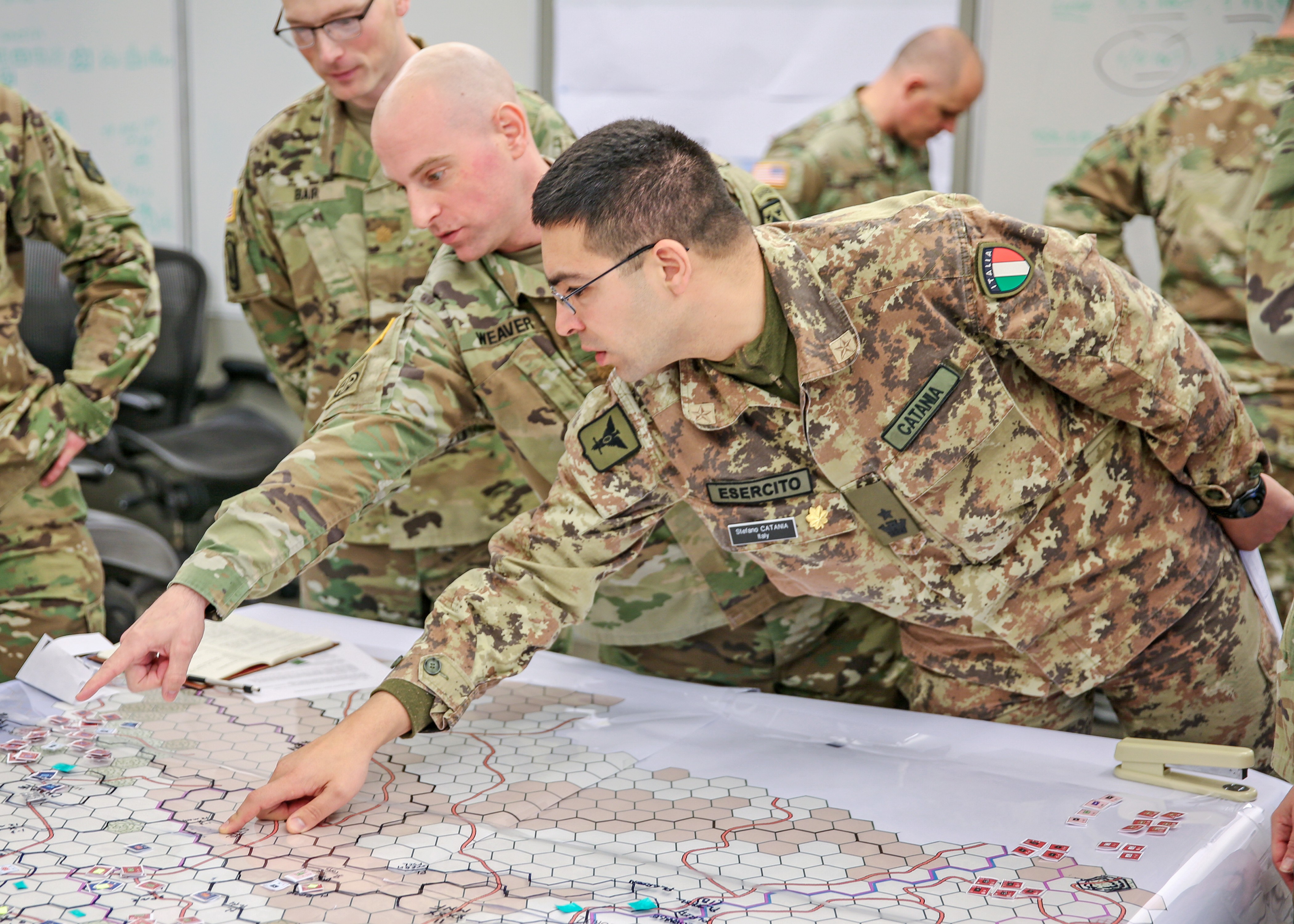
In my experience, Military Strategy matters because defense is not only about weapons or combat operations. It is also about planning, intelligence, leadership, diplomacy, and long-term national objectives. Universities play an important role in helping students examine these areas with analytical depth. Through academic study, students can understand how military strategy connects with history, political science, international relations, technology, and ethics.
This is especially important because global security challenges continue to evolve. Cyber threats, regional conflicts, terrorism, alliances, border tensions, and emerging technologies all influence how defense is understood today. A university-level study of military strategy helps students go beyond simple assumptions and engage with defense as a serious field of thought that requires evidence, structure, and critical reasoning.
There is also a strong connection to academic Knowledge and civic awareness here. Military strategy involves security analysis, geopolitical understanding, leadership theory, operational planning, and ethical responsibility.
My Perspective on Studying Defense
What changed my understanding of Military Strategy was realizing that studying defense at university is not about promoting conflict. At first, the term can sound aggressive or narrowly tactical. But over time, I came to see that academic engagement with military strategy often focuses just as much on prevention, deterrence, preparedness, and stability as it does on warfare itself. In many cases, its purpose is to understand how conflict can be anticipated, managed, or avoided through intelligent planning.
That is what makes this topic meaningful to me. Military strategy is not only about force. It is about judgment. In that sense, learning about defense at university becomes an exercise in understanding power, responsibility, and the serious consequences of strategic decisions.
Core Elements of Military Strategy
I think Military Strategy becomes easier to understand when its main areas are broken down clearly.
National defense planning
This includes how states organize resources and capabilities for protection.
Threat assessment
Strategy depends on understanding potential risks and adversaries.
Leadership and decision-making
Military planning requires disciplined command and strategic judgment.
Geopolitical context
Defense choices are shaped by geography, alliances, and regional dynamics.
Technology and capability
Modern strategy must account for cyber systems, intelligence, and advanced defense tools.
Ethics and policy
Strategic decisions have moral, political, and legal implications.
Common Challenges in Understanding Military Strategy
I have noticed that Military Strategy can also involve recurring difficulties.
Complexity
Defense issues often involve many interacting political and operational factors.
Misconceptions
Some people reduce strategy to combat alone and overlook policy or deterrence.
Rapid change
Technology and geopolitical conditions can shift quickly.
Ethical tension
Questions of force, security, and responsibility are rarely simple.
Interdisciplinary demands
Students may need knowledge from history, politics, law, and technology together.
Practical Value of Studying Military Strategy at University
I believe Military Strategy offers lasting value because it teaches students how to think rigorously about security, leadership, and national planning.
It develops critical analysis
Students learn to examine threats, resources, and outcomes carefully.
It strengthens geopolitical awareness
Defense strategy depends on understanding international dynamics.
It connects theory with real-world policy
Students see how strategic ideas influence actual decisions.
It encourages responsible thinking
The study of defense requires seriousness about consequences and ethics.
It supports career pathways
Knowledge of military strategy may be useful in defense studies, policy, research, or public service.
Below is a simple overview of how military strategy can be understood in a university context:
| Military Strategy Element | Why It Matters | Example in Practice |
|---|---|---|
| National defense planning | Organizes protection of state interests | Studying how governments allocate defense resources |
| Threat assessment | Identifies risks that strategy must address | Analyzing regional security tensions or cyber threats |
| Leadership and decision-making | Shapes effective strategic action | Examining command structures and crisis response |
| Geopolitical context | Explains why defense choices differ | Comparing strategy in different regional environments |
| Ethics and policy | Highlights responsibility in defense decisions | Discussing legal and moral limits on the use of force |
These elements show that military strategy is not simply about combat operations. It is an academic field that examines how defense is planned, justified, and managed in relation to national and international realities.
Why Military Strategy Matters Beyond the Classroom
I think Military Strategy matters because the questions it raises extend far beyond universities. Defense planning affects public policy, diplomacy, national identity, economic priorities, and international stability. Students who understand military strategy are better equipped to think critically about how security decisions influence society and global relations.
That broader significance is what makes this topic so valuable. Military strategy is not only about understanding armed defense. It is also about understanding how nations make serious choices under pressure and uncertainty.
Final Thoughts
For me, Military Strategy is one of the most important subjects for understanding defense at university because it brings together planning, leadership, geopolitics, ethics, and national security in one field of study. It reminds us that defense is not simply a matter of force. It is a matter of analysis, responsibility, and strategic judgment.
That is why it matters so much. Studying military strategy at university is not simply about learning how conflict is managed. It is about understanding how security, policy, and power interact in a world where thoughtful decisions carry enormous consequences
Explore our “Knowledge” category for more insightful content!
Don't forget to check out our previous article: Scholarship Deadlines: Staying Ahead in Your Applications
Penulis

#defense studies #geopolitical analysis #leadership #Military Strategy #national security #strategic planning #threat assessment #university education
Related Posts
 Kuliah Perdana Menjadi Langkah Awal Mahasiswa Mengenal Sistem Belajar dan Kehidupan Kampus
 Ilmu Kesehatan Anak Membantu Mahasiswa Memahami Kesehatan dan Perawatan Anak Sejak Dini
 Sosial Ekonomi Perikanan Membantu Mahasiswa Memahami Usaha, Masyarakat, dan Kehidupan di Sektor Perikanan
 Manajemen Pariwisata Membantu Mahasiswa Memahami Cara Mengelola Usaha dan Layanan Wisata