Why Peacebuilding Efforts Matter in College
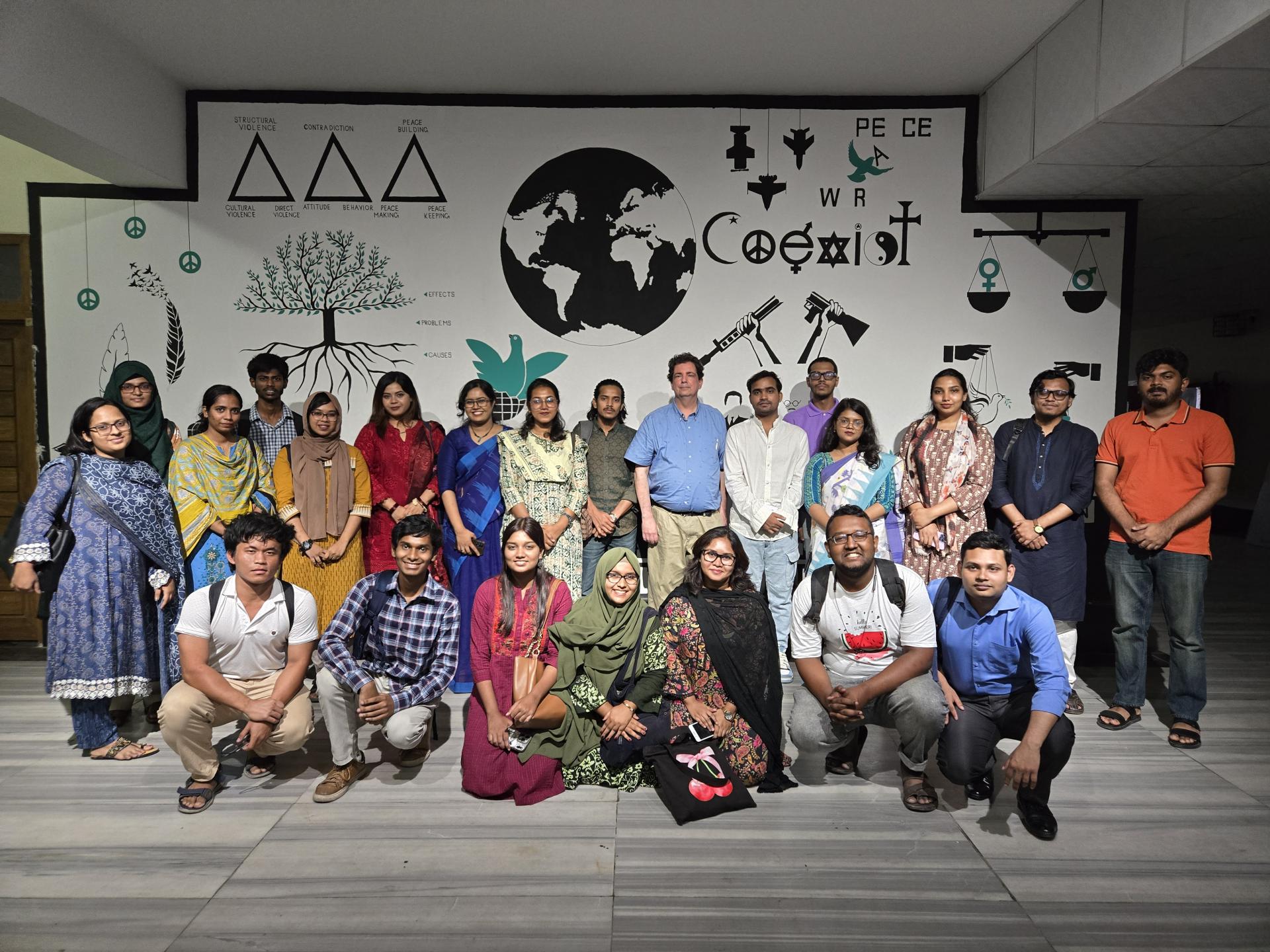
In my experience, Peacebuilding Efforts matter in college because campus life brings together a wide range of perspectives in a relatively intense environment. Students share classrooms, organizations, housing spaces, and public discussions while navigating academic pressure and personal transition. Under those conditions, misunderstandings, polarization, and exclusion can develop quickly if a campus does not actively support respectful engagement.
This is especially important because college is not only a place to absorb information. It is also a place to develop habits of citizenship, dialogue, empathy, and responsibility. Peacebuilding helps students learn how to respond to conflict without escalating it and how to take part in a community without silencing others.
There is also a strong connection to social Knowledge here. Understanding peacebuilding means understanding the relationships between communication, trust, justice, and community life.
My Perspective on Building Harmony on Campus
What changed my understanding of Peacebuilding Efforts was realizing that harmony does not mean the absence of disagreement. At first, it is easy to think of peace as a quiet environment where everyone simply gets along. But over time, I came to see that meaningful peace is more active than that. It requires structures, conversations, and shared commitments that make it possible to face tension honestly without allowing it to become destructive.
That is what makes peacebuilding so valuable to me. It is not about pretending differences do not exist. It is about creating a culture where differences can be acknowledged, discussed, and managed with dignity. In a college setting, that can shape everything from classroom discussion to student leadership to community safety.
Core Areas of Peacebuilding Efforts in College
I think Peacebuilding Efforts become easier to understand when their main areas are broken down clearly.
Dialogue and communication
Students need spaces where difficult conversations can happen respectfully.
Conflict resolution
Campuses benefit from systems that help address disputes before they deepen.
Inclusion and belonging
Peacebuilding depends on whether people feel seen, respected, and able to participate.
Restorative practices
Some conflicts are better addressed through accountability and repair rather than punishment alone.
Community education
Workshops and programs can help students build empathy, listening skills, and cultural understanding.
Shared responsibility
Peacebuilding works best when it is not limited to administrators alone, but involves students, staff, and faculty.
Common Challenges to Campus Harmony
I have noticed that colleges often face several recurring obstacles when pursuing Peacebuilding Efforts.
Polarization
Strong social or political divisions can make dialogue more difficult.
Miscommunication
Small misunderstandings can expand quickly in close communities.
Exclusion
Students who feel marginalized may distrust the broader campus environment.
Reactive responses
Institutions sometimes focus only on visible conflict instead of long-term prevention.
Lack of trust
Peacebuilding becomes difficult when people doubt the fairness or sincerity of campus systems.
Practical Ways to Strengthen Peacebuilding Efforts
I believe Peacebuilding Efforts are most effective when they are woven into everyday campus life rather than treated as occasional crisis responses.
Create regular dialogue spaces
Students need consistent opportunities to discuss difficult issues constructively.
Teach conflict skills
Mediation, listening, and respectful disagreement should be treated as learnable abilities.
Support restorative approaches
When harm occurs, repair and accountability can be more constructive than purely punitive measures.
Strengthen inclusion practices
Belonging should be reflected in policies, leadership, and campus culture.
Model peacebuilding from the top
Faculty and administrators set the tone for how conflict and difference are handled.
Below is a simple overview of peacebuilding in college:
| Peacebuilding Area |
Why It Matters |
Example in Practice |
| Dialogue |
Encourages understanding across differences |
Facilitated student discussion forums |
| Conflict resolution |
Prevents disputes from escalating |
Peer mediation programs |
| Inclusion |
Builds trust and belonging |
Equity-centered campus initiatives |
| Restorative practices |
Focuses on repair and accountability |
Restorative circles after community harm |
| Community education |
Develops peacebuilding skills |
Workshops on empathy and communication |
These elements show that peacebuilding is not just a reaction to conflict. It is a proactive way of shaping campus culture.
Why Peacebuilding Efforts Matter Beyond College
I think Peacebuilding Efforts matter because college often serves as a training ground for life in a complex society. The habits students form there—how they handle disagreement, how they listen, how they respond to tension, how they understand justice—can influence their future workplaces, communities, and civic participation.
That broader significance is what makes campus peacebuilding so important. It does not only improve student life in the present. It also helps prepare people to contribute more thoughtfully and responsibly to the wider world.
Final Thoughts
For me, Peacebuilding Efforts represent one of the most important ways a college can invest in both learning and community. They help transform campuses from places where conflict is merely managed into places where communication, respect, and shared responsibility are actively cultivated.
That is why they matter so much. Peacebuilding in college is not about forcing agreement. It is about constructing the conditions for harmony, dignity, and constructive coexistence in a diverse academic environment.
Explore our “Knowledge” category for more insightful content!
Don't forget to check out our previous article: Sociolinguistics: Analyzing Language in Society in College


 Kuliah Perdana Menjadi Langkah Awal Mahasiswa Mengenal Sistem Belajar dan Kehidupan Kampus
 Ilmu Kesehatan Anak Membantu Mahasiswa Memahami Kesehatan dan Perawatan Anak Sejak Dini
 Sosial Ekonomi Perikanan Membantu Mahasiswa Memahami Usaha, Masyarakat, dan Kehidupan di Sektor Perikanan
 Manajemen Pariwisata Membantu Mahasiswa Memahami Cara Mengelola Usaha dan Layanan Wisata